Quote
Email Us
Research Oligo

Research Oligo

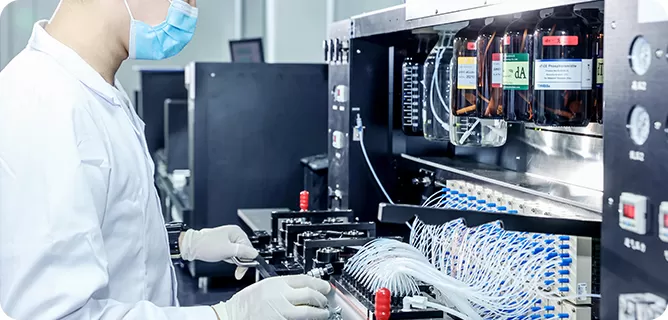
Standard DNA oligos widely used in PCR, qPCR, cloning, gene synthesis, and hybridization workflows. They are essential tools in routine molecular biology research, valued for their reliability, flexibility, and compatibility with downstream applications. Tsingke offers custom research oligos with multiple synthesis scales, purification methods (desalt, PAGE, HPLC), and QC options including mass spectrometry, ensuring accuracy and reproducibility across your experiments.
Order Now
Highlights of Research Oligo

Highlights of Research Oligo

Length 5~200 bases, multiple purification options.

Flexible scale from 10 nmol to 1 µmol.

Strict QC, delivered as powder or solution.

Premixed liquid primers are ready-to-use with accurate quantification for stable and reliable PCR.


Service Details of Research Oligo


Service NameLength(nt)PurificationPrice/turnaround timeDeliverableApplication
Common oligos5~60DSL/OPC/PAGE/HPLCInquire

Tube or customized

Lyophilized DNA

COA report(electronic)

PCR, DNA sequencing etc
Long oligos60+PAGE/HPLC/Dual PAGE &HPLCNGS, Genomic research etc


Cases of Research Oligo

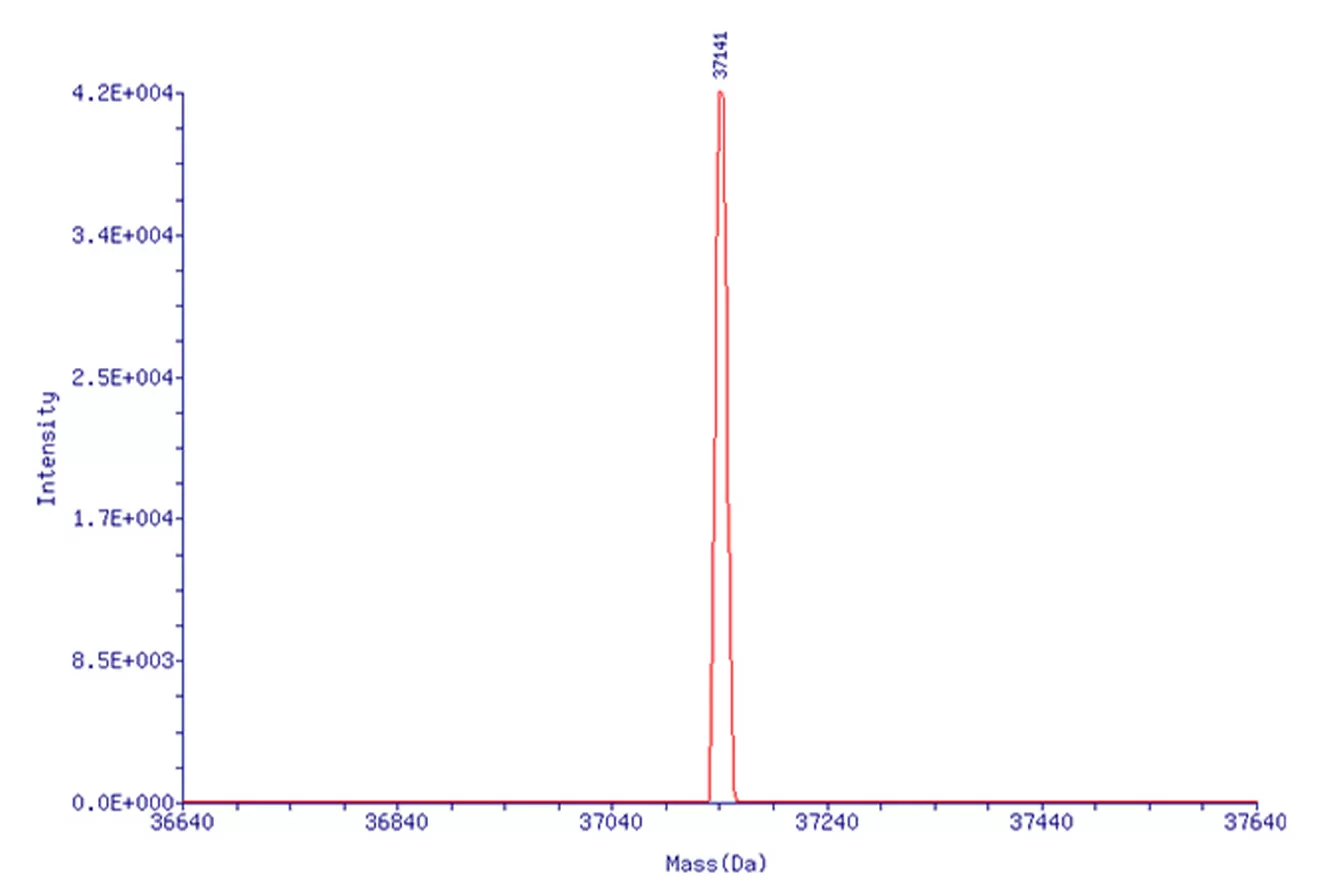
MASS
MASS
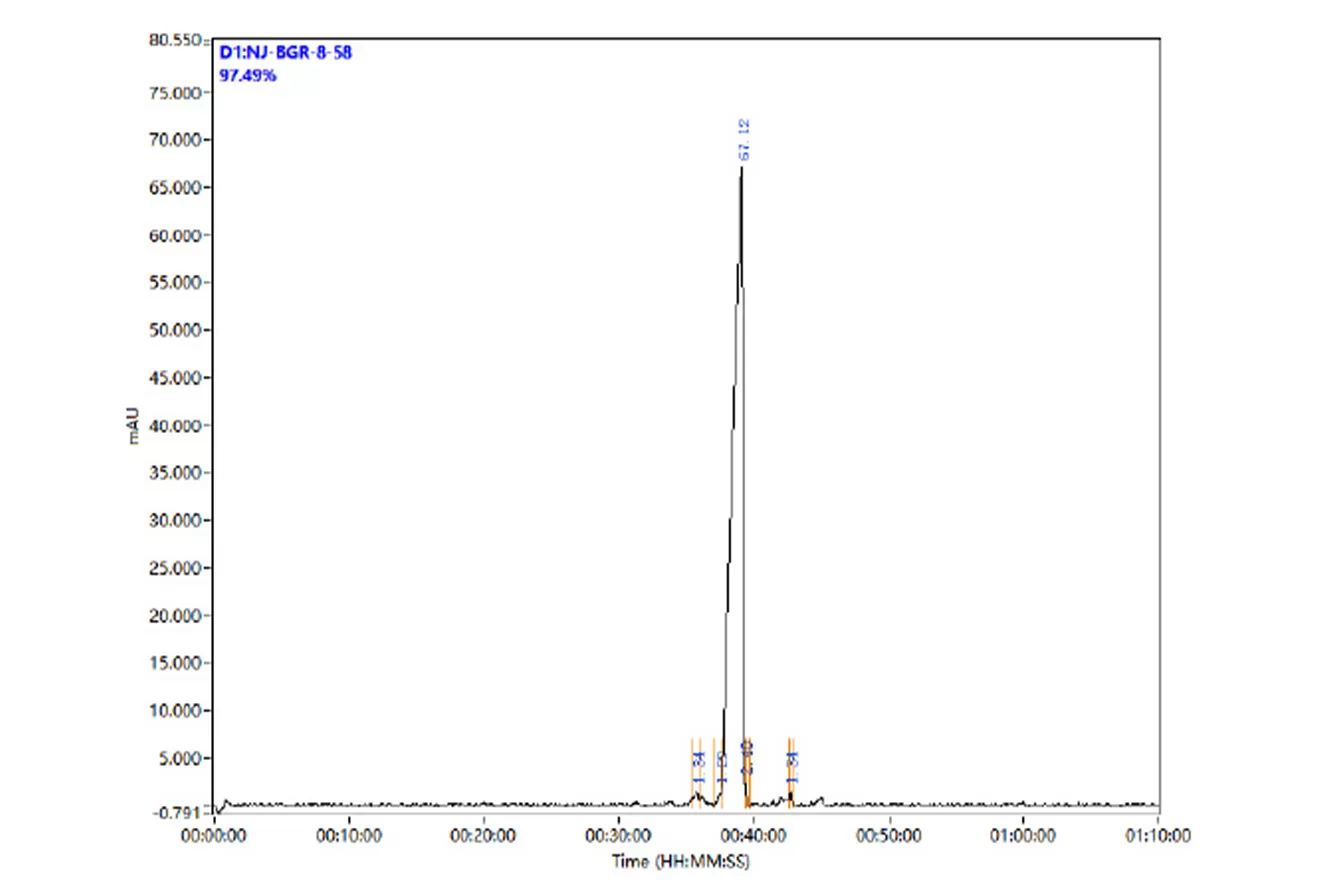
HPLC
HPLC

Resources of Research Oligo

Tsingke_Oligo Synthesis_Brochure_1.2.1.250805

Ordering Steps of Research Oligo

Download the order form below and email it to info@tsingke.com.cn, or“Send Your Request”to submit your inquiry online.

Send Your Request
  • Tsingke_DNA_Order Form_1.1.1.250815
  • Tsingke_DNA_Modification List_1.1.1.250815
  • Tsingke_Oligo Synthesis_Purification Methods_1.1.1.250815

Videos of Research Oligo

01

Related Custom DNA Oligo

FAQs of Research Oligo

How to test the purity of primers?

A common method used in laboratories is the PAGE. For electrophoresis, use a polyacrylamide gel with 7 M urea, 20% polyacrylamide gel for primers with less than 12 bases, 16% polyacrylamide gel for primers with 12-60 bases, and 12% polyacrylamide gel for primers with more than 60 bases. Take 0.2-0.5 OD primer, dissolve with urea saturated solution or add urea dry powder into primer solution until saturated, and heat denaturation (95 ℃, 2 min) before loading sample. The purpose of adding urea is to denaturate, and to increase the specific gravity of the sample, which is easy to add the sample. After a certain period of time (about 2-3 hours), strip the polyacrylamide gel and detect the band type with a fluorescent TLC plate under the UV lamp. There is no impurity under the main band, indicating that the purity is good.

(Sometimes due to insufficient denaturation, there may be bands above the main band, which are primer secondary structure bands.)



How to measure the OD value of primers?
When PAGE electrophoresis is performed, why are the swim bands of Oligo DNA of exactly the same length not in the same position?
Why does the EB staining vary in shade for the same OD detected by PAGE?
What are the basic principles of primer design?
What is the longest primer that can be synthesized?
Can I use Agarose gel electrophoresis to analyze the synthetic primers?
Contact Us
Explore the power of the Gene Factory and discover how Tsingke's integrated platform accelerates your R&D and product development.
Tsingke Updates
pop_close
pop_main
Subscribe to Our Newsletter

Stay updated with the latest industry news and expert insights. 

Subscribe now to receive:
        ● Industry updates
        ● Exclusive expert insights and analysis
Enter your email to stay ahead!

We use cookies to offer you a better browsing experience, analyze site traffic and personalize content. Part of the tracking is necessary to ensure SEO effectiveness,
By using this site, you agree to our use of cookies. Visit our cookie policy to learn more.
Reject Accept