Overview
Since the discovery of the double helix structure of DNA by James Watson and Francis Crick in 1953, mankind's exploration of the mysteries of life has entered a brand new era, and the publication of the human genome atlas in 2003 marked the official arrival of the genome sequencing era. In this technological revolution, genome sequencing technology has made continuous breakthroughs, from classic Sanger sequencing to high-throughput sequencing, and each advancement has greatly promoted the development of biology and medicine.
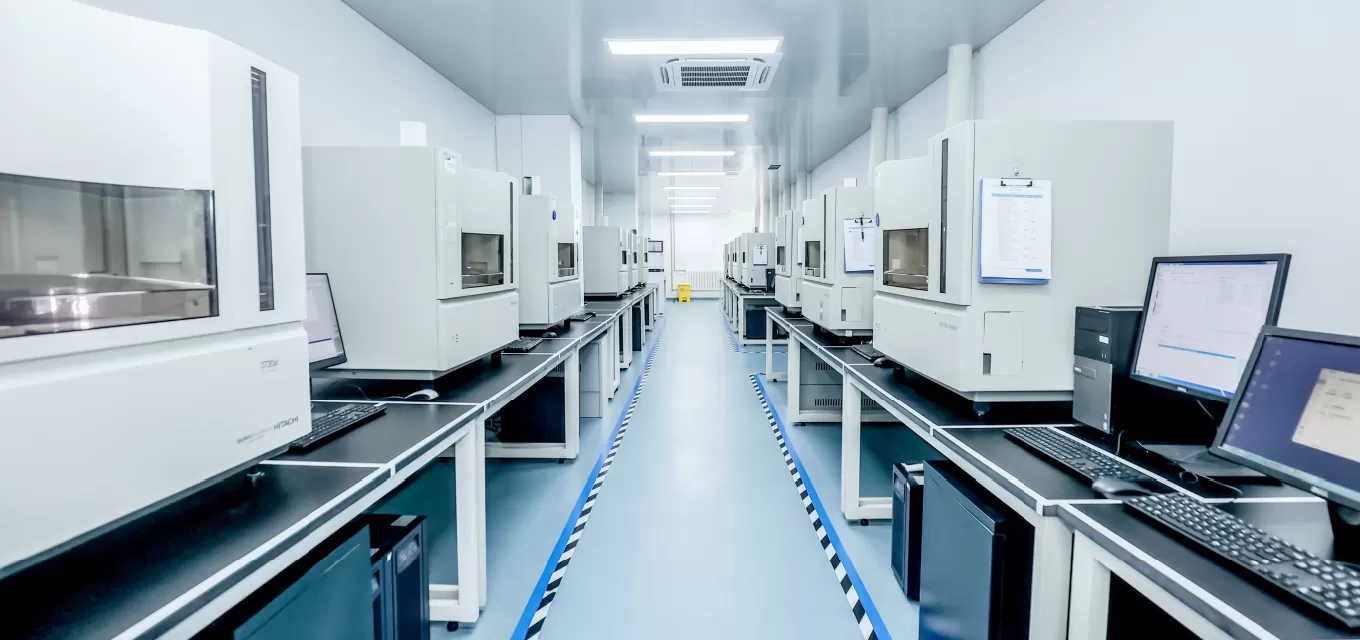
As a leading genome sequencing service provider in the industry, Tsingke gene factory has provided high-quality sequencing services to tens of thousands of clients with our outstanding technical strength and professional service team. Tsingke are equipped with the advanced 3730XL Genetic Analyzer, conducts structural and functional analysis of genomes. Tsingke are realizes the automation and intelligence of the entire process from sample processing to data generation, ensuring accuracy at every step and a sequencing success rate of over 99%. Meanwhile, genetic testing technology not only provides an important tool for scientific research, but also provides solid technical support for our core business - gene synthesis, ensuring the accuracy and reliability of gene synthesis.
Technical Strength
-Sanger Sequencing: Tsingke is equipped with multiple advanced 3730XL Genetic Analyzers, which realize the automation and intelligence of the whole process from sample processing to data generation. This not only dramatically improves sequencing efficiency, but also ensures a high sequencing success rate, providing reliable data support for gene synthesis.
-FastNGS sequencing: For the special needs of small genome sequencing, Tsingke have innovatively introduced FastNGS sequencing technology. This technology not only dramatically increases the sequencing speed, but also significantly improves the accuracy and consistency of data, providing efficient support for gene synthesis.
-2nd and 3rd generation sequencing: With Illumina high-throughput sequencing platform and 3rd generation sequencing platform, Tsingke has rich experience in multi-omics analysis. Whether it is genome, transcriptome, proteome and other multi-omics research, or complex gene synthesis detection, we can provide comprehensive solutions to meet the needs of different customers.