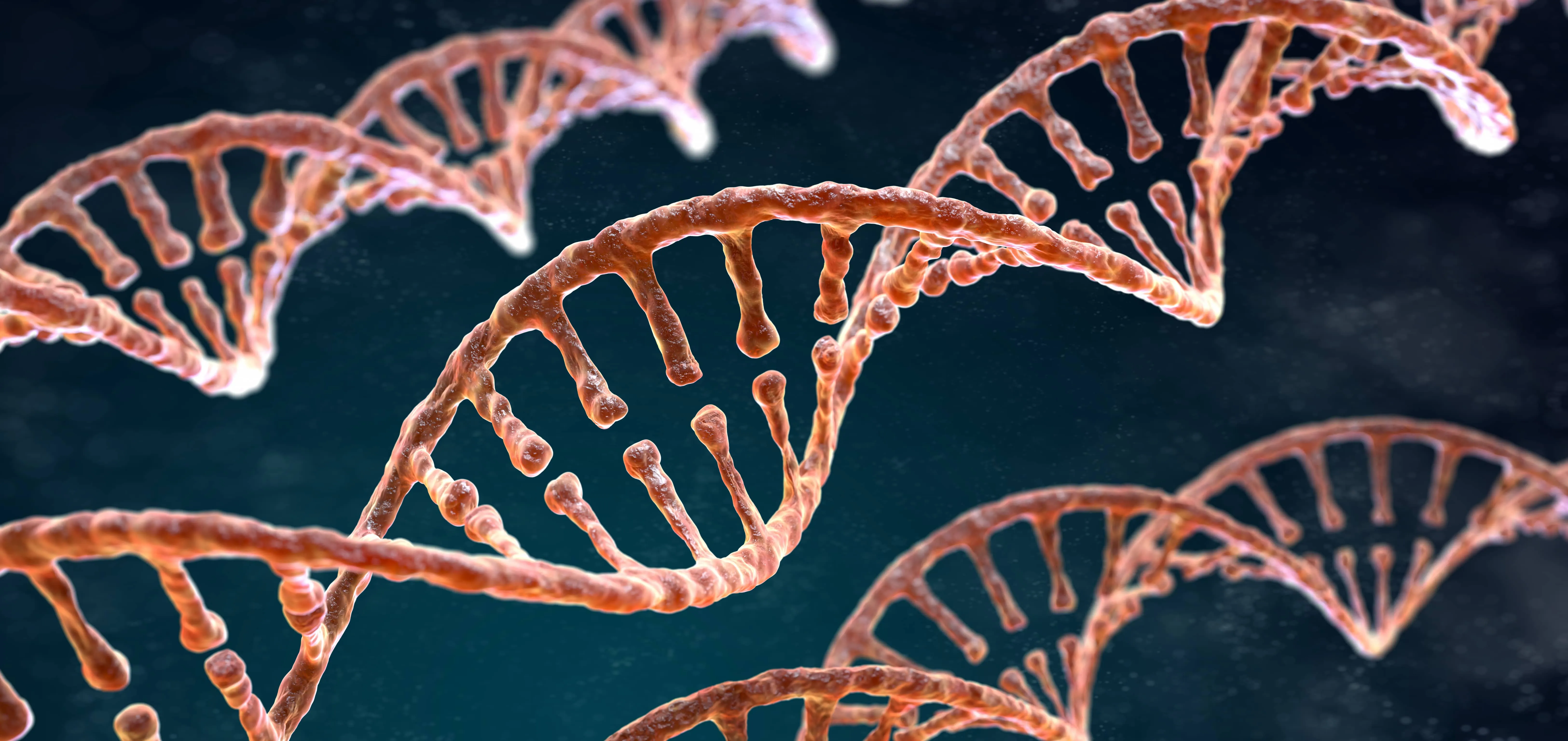
Over the past few decades, gene synthesis has transformed from a complex, time-consuming process into a streamlined and highly precise technology. Tasks that once depended on iterative cloning and manual sequence modification can now be completed by simply designing DNA sequences digitally and having them synthesized with high accuracy. Today, gene synthesis plays a foundational role across multiple disciplines, including molecular biology, vaccine research, synthetic biology, and diagnostic development, enabling faster innovation and more reliable experimental outcomes.
What Is Gene Synthesis?
A gene is a segment of DNA that carries the instructions needed to produce functional molecules such as proteins or to regulate biological processes. Gene synthesis refers to the artificial creation of DNA sequences from scratch, based entirely on a predefined design, without relying on a natural DNA template. This capability allows researchers to go beyond the limitations of naturally occurring sequences. Scientists can design entirely new genes, optimize coding sequences to improve expression in specific host organisms, and construct modular genetic elements that accelerate research workflows. Compared to traditional approaches such as site-directed mutagenesis, which is typically limited to small edits, or restriction enzyme-based cloning, which depends on existing templates, gene synthesis provides far greater flexibility and efficiency.
How Gene Synthesis Works
Modern gene synthesis generally involves two key stages: generating short DNA fragments and assembling them into full-length genes.
The process begins with oligonucleotide synthesis, where short DNA sequences are chemically produced using solid-phase methods. These fragments, typically ranging from a few dozen to around 200 nucleotides, serve as the building blocks for longer DNA constructs.
Next, these fragments are assembled into complete genes using enzymatic techniques such as PCR-based assembly or other overlap-driven methods. For more complex designs, including multi-gene constructs, some workflows use biological systems like yeast to combine DNA fragments efficiently through homologous recombination.
To ensure accuracy, quality control is a critical step. Synthesized genes are typically verified through sequencing and additional validation processes, ensuring that the final construct matches the intended design and performs reliably in downstream applications.
Applications of Gene Synthesis
Gene synthesis is most valuable in its applications, where it significantly accelerates research and development across multiple fields.
Vaccine Development and Antigen Design
Gene synthesis enables the rapid creation of antigen sequences for vaccine research. Scientists can design and test multiple antigen variants to improve immunogenicity and protein stability. This is particularly important for emerging or mutating pathogens, where quick iteration is essential. For example, synthetic antigen genes can be expressed as recombinant proteins to evaluate immune responses during early-stage vaccine development.
Recombinant Protein Expression and Enzyme Engineering
Synthetic genes are widely used to produce proteins in systems such as E. coli, yeast, and mammalian cells. Through codon optimization and sequence engineering, researchers can significantly enhance protein expression levels. Additional modifications, such as affinity tags or secretion signals, can also be incorporated to simplify purification and improve functionality. In enzyme engineering, multiple gene variants are often synthesized to identify improvements in catalytic activity or stability.
Synthetic Biology and Metabolic Engineering
Gene synthesis plays a central role in synthetic biology by enabling the construction of complex genetic systems. Researchers can assemble multi-gene pathways to produce valuable compounds such as biofuels, pharmaceuticals, or specialty chemicals. Regulatory elements like promoters and terminators can also be precisely designed to control gene expression. This modular approach supports rapid iteration in the design–build–test cycle, which is essential for optimizing engineered biological systems.
Antibody Research and Immunology
In antibody-related workflows, gene synthesis simplifies the production of antigen constructs used for screening and validation. Instead of relying on natural sources, researchers can design synthetic sequences tailored to specific targets. This improves reproducibility and enables high-throughput antibody discovery. Additionally, gene synthesis supports the expression of engineered antibody fragments for therapeutic and research applications.
Diagnostics and Immunoassay Development
Gene synthesis is critical in the development of diagnostic tools, including ELISA and other immunoassays. It provides the DNA templates required to produce highly specific proteins and peptides used as detection reagents. Consistency in these reagents is essential for reliable diagnostic performance, particularly in applications such as infectious disease detection and biomarker analysis.
Plant and Agricultural Biotechnology
In plant science, gene synthesis enables rapid testing of gene function and trait development. Researchers can construct plant expression systems to study signaling pathways or introduce traits such as drought resistance, pest tolerance, or improved nutritional value. These applications contribute to advancements in crop productivity and global food security.
Neuroscience and Genetic Tool Development
Neuroscience research increasingly relies on gene synthesis to develop tools for studying brain function. Synthetic DNA constructs can be used to label specific neuron populations, monitor activity, or manipulate neural circuits. These approaches are essential for understanding complex processes such as learning, memory, and neurological disorders.
Industrial Biotechnology
Gene synthesis also supports large-scale industrial applications. Engineered microorganisms can be designed to produce enzymes, chemicals, or biologics more efficiently. By optimizing gene sequences and metabolic pathways, companies can improve production yields and reduce manufacturing costs, making biotechnological processes more scalable and sustainable.
Key Advantages of Gene Synthesis
One of the most significant advantages of gene synthesis is speed. Researchers can move directly from a digital sequence design to a physical DNA construct without going through lengthy cloning cycles, significantly shortening project timelines.
Another major benefit is design flexibility. Scientists can fully customize sequences, optimize them for specific expression systems, and incorporate modular elements that would be difficult or impossible to achieve with traditional methods.
Gene synthesis also improves reproducibility. Sequence-verified constructs and standardized production processes help ensure consistent results across experiments, which is especially important in fields that require high precision, such as drug development and diagnostics.