In the rapidly evolving landscape of biotechnology, the bridge between genetic information and functional biological products is built upon two core processes: gene cloning and protein synthesis. For researchers and industrial professionals, understanding the synergy between these mechanisms is essential for advancing fields such as drug discovery, synthetic biology, and molecular diagnostics. This article explores how gene synthesis serves as the vital starting point for the production of functional proteins and how these technologies have become inseparable in modern laboratory workflows.
Gene Synthesis as the Genetic Blueprint
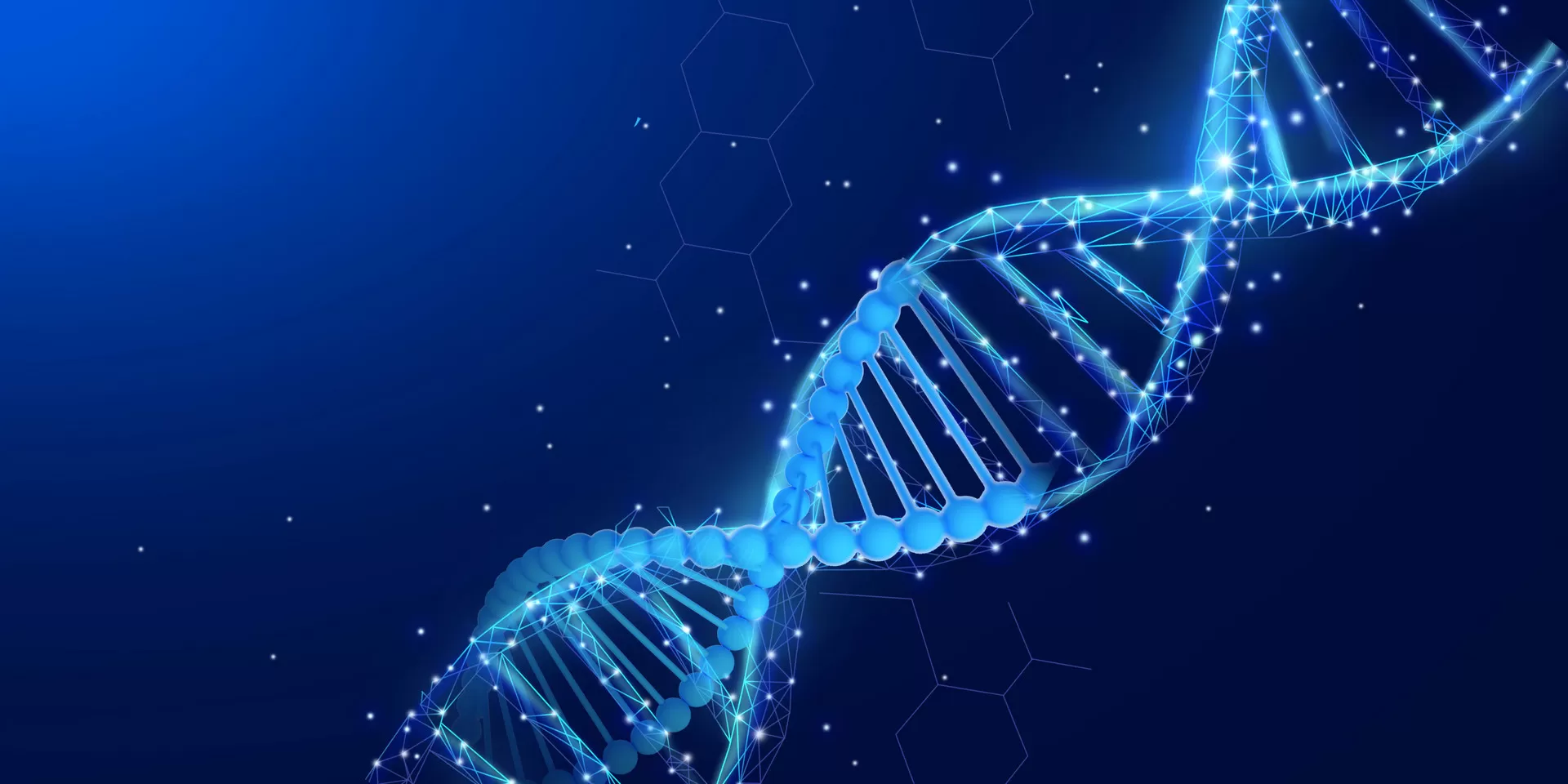
To understand the relationship between these two processes, one must look at the "Central Dogma" of molecular biology, which describes the flow of genetic information from DNA to RNA and finally to protein synthesis. In a natural cellular environment, this flow is highly regulated and depends on existing genomic templates. However, in a biotechnology context, scientists must first "capture" or "create" the desired genetic sequence before they can produce a specific protein. This is where gene synthesis becomes the foundational step.
Unlike traditional cloning, which relies on extracting DNA from existing biological sources and using restriction enzymes to "cut and paste" fragments, modern gene synthesis allows for the de novo construction of DNA sequences. This technology enables researchers to design a gene on a computer, optimize its sequence for a specific host organism, and physically synthesize the double-stranded DNA without needing a physical template. This capability is particularly transformative for creating human-designed proteins or enzymes that do not exist in nature.
Once the gene is synthesized, it must be integrated into a functional genetic architecture. In the gene synthesis workflow, the sequence is inserted into an expression vector—typically a circular DNA molecule called a plasmid. This plasmid acts as a vehicle, carrying the synthetic instructions into a host cell, such as E. coli, yeast, or mammalian cell lines. Without the precision provided by gene synthesis, the subsequent stages of protein production would be inefficient or prone to errors, particularly when dealing with non-natural, codon-optimized, or highly modified protein sequences that require specific regulatory elements like promoters and enhancers.
Integrating Gene Synthesis with Expression Systems
The ultimate goal of most cloning projects is the "expression" of a gene, which results in the physical assembly of a protein. The relationship between gene synthesis and the cellular machinery is symbiotic; the cloned DNA provides the digital-to-analog template, while the host cell provides the energy, enzymes, and raw materials for assembly.
Once the recombinant plasmid created via gene synthesis is successfully introduced into a host cell—through transformation in bacteria or transfection in eukaryotic cells—the process of gene expression begins. The cell's internal machinery recognizes the specific promoter sequence on the cloned plasmid and initiates transcription. During this phase, the DNA sequence is transcribed into messenger RNA (mRNA).
The efficiency of this transition is often determined by how well the gene synthesis phase was executed. For instance, "codon optimization" during the synthesis phase ensures that the mRNA produced is easily "read" by the host's ribosomes, avoiding rare codons that can stall production and reduce yield. Following transcription, the cell enters the translation phase. This is the stage of protein synthesis from mRNA, where transfer RNA (tRNA) molecules bring specific amino acids to the ribosome, matching them to the codons on the mRNA strand. The result is a folding polypeptide chain. By controlling the DNA sequence at the synthesis level, scientists can dictate the exact structure and function of the resulting protein.
Why Gene Synthesis is Essential for High-Throughput Production
In the industrial production of biologics, such as insulin, monoclonal antibodies, or industrial enzymes, the reliability of gene synthesis is paramount. The ability to mass-produce these substances depends on the stability of the cloned gene within the host population over many generations. Furthermore, modern production often requires complex proteins that need post-translational modifications (PTMs), such as glycosylation or phosphorylation. Precise cloning allows researchers to select specific vectors and host systems that ensure the host cell's machinery handles these modifications correctly, which is critical for the protein's therapeutic efficacy and safety.
One of the most significant advantages of using gene synthesis in tandem with protein synthesis is the ability to introduce specific modifications that do not exist in nature. For example, researchers can add "affinity tags" (like Hexa-Histidine or Flag-tags) to the gene sequence. These tags are translated along with the protein, allowing for streamlined, high-purity purification after the synthesis is complete.
Furthermore, advanced gene synthesis techniques allow for the creation of variant libraries. By synthesizing hundreds of slightly different versions of a single gene, researchers can perform "directed evolution." They can express all these variants simultaneously and then screen the resulting proteins for improved stability, higher activity, or better thermal resistance. This high-throughput approach has revolutionized how we develop new enzymes for biofuels and specialized ingredients for the food industry.
Even in emerging technologies like cell-free systems, where proteins are made in a test tube without living cells, the requirement for a high-quality DNA template remains. In these systems, gene synthesis provides the linear or circular DNA that drives the reaction, proving that regardless of the environment, the genetic "script" is the prerequisite for the protein "performance."
Gene cloning and protein synthesis are two halves of a single functional unit in biotechnology. Cloning provides the instructions, while synthesis provides the results. By leveraging the precision of gene synthesis and partnering with industry leaders like Tsingke, scientists can master the complexities of DNA, RNA, and protein synthesis, leading to breakthroughs in medicine and industry.