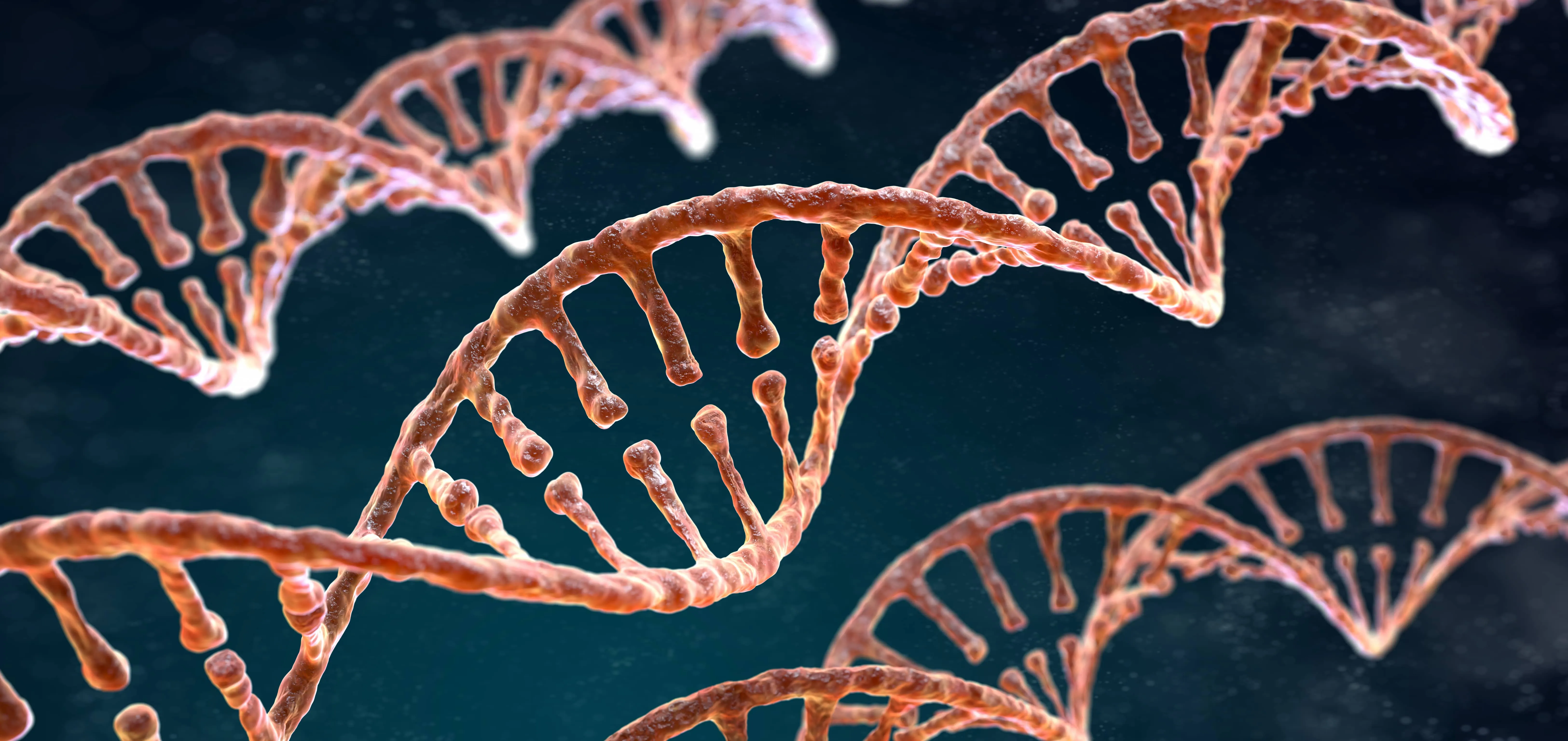
Gene synthesis has reshaped modern biotechnology and synthetic biology by enabling scientists to construct DNA sequences entirely in the laboratory. Instead of relying on naturally occurring genetic material, researchers can now design and build genes tailored to specific purposes. This capability has accelerated innovation across healthcare, agriculture, and renewable energy. By creating customized sequences, scientists can develop new metabolic pathways, engineer proteins with improved performance, and even design genetic solutions to address inherited disorders. Compared to traditional cloning methods, gene synthesis offers far greater flexibility and precision in programming biological functions.
Overview of Gene Synthesis Technology
Gene synthesis begins with the creation of artificial DNA without extracting it from living organisms. Researchers first design a target sequence digitally using specialized bioinformatics tools. This virtual design is then translated into a physical DNA molecule by assembling nucleotides in a precise order. Modern approaches combine advanced computational design with high-throughput synthesis technologies, allowing short DNA fragments to be produced efficiently and later combined into complete genes. Although the concept dates back several decades, continuous technological improvements have made gene synthesis faster, more accurate, and widely accessible to laboratories around the world.
Gene Synthesis Design Software
The design phase is a critical starting point in gene synthesis. Scientists typically begin with the amino acid sequence of a desired protein and use software to convert it into a corresponding DNA sequence. However, this process involves more than simple translation. The software optimizes the sequence to ensure it can be efficiently synthesized and expressed in a chosen host organism. It evaluates factors such as codon usage preferences, sequence stability, and potential structural issues. Addressing these variables early helps prevent complications during synthesis and improves the likelihood that the gene will function correctly in downstream applications.
Effective gene design requires careful adjustments to ensure compatibility with the intended biological system. One important aspect is aligning codon usage with the host organism to enhance protein expression efficiency. Designers also work to reduce repetitive DNA regions, which can cause instability or errors during replication. In addition, potentially harmful elements, such as unwanted restriction sites, are removed to avoid interference with cloning or expression. Functional elements like purification tags or enzyme recognition sites are often incorporated to support later experimental steps. The complete gene sequence is then divided into smaller segments of manageable length, which improves synthesis accuracy and simplifies subsequent assembly.
Oligonucleotide Synthesis in Gene Synthesis Workflows
Short DNA fragments, known as oligonucleotides, are produced through controlled chemical synthesis. One widely used approach is solid-phase synthesis, where nucleotides are sequentially added to a growing chain attached to a solid surface. This method provides high precision and is commonly used for standard synthesis tasks. Another approach involves assembling fragments in a liquid environment before further processing, offering flexibility for more complex or customized designs. The choice between these methods depends on project requirements, including the level of customization and the desired balance between efficiency and precision.
Gene Synthesis Assembly Methods
After oligonucleotides are generated, they must be combined into a complete gene sequence. Several molecular techniques are used for this step. Polymerase Chain Reaction (PCR) amplifies and extends overlapping DNA fragments through repeated cycles, enabling the construction of longer sequences. Ligation joins DNA fragments together using enzymes that connect overlapping ends, which is particularly useful for assembling extended sequences. Some methods rely on recombination, taking advantage of natural cellular repair mechanisms to merge DNA fragments. Hybridization techniques also allow complementary strands to pair and form larger constructs that can be further extended into full-length genes.
Gene Synthesis Construct Verification
Once the gene has been assembled, it must be carefully validated to ensure accuracy. DNA sequencing is commonly used to confirm that the nucleotide order matches the original design. Additional methods, such as restriction analysis, help verify that specific sites within the gene function as expected. Researchers may also insert the gene into a host organism to assess its stability and confirm that it produces the intended protein. These verification steps are essential for ensuring reliability before the gene is used in further experiments or applications.
Applications of Gene Synthesis in Modern Biotechnology
Custom gene synthesis supports a wide range of applications across scientific disciplines. In protein and metabolic engineering, it enables the creation of novel enzymes and optimized biochemical pathways. Synthetic biology relies on designed genes to build complex genetic circuits that control cellular behavior. In medicine, gene synthesis contributes to the development of gene therapies and vaccines by enabling precise control over genetic sequences. It is also widely used in drug discovery and agricultural biotechnology, where it helps identify therapeutic targets and improve crop traits such as resistance to environmental stress.
The Role of Gene Synthesis Companies
Specialized biotechnology companies have played a key role in making gene synthesis widely accessible. By developing advanced infrastructure and scalable workflows, these providers have transformed gene synthesis into a reliable commercial service. Researchers can now outsource complex synthesis tasks, allowing them to focus on experimental design and analysis rather than managing intricate laboratory processes. This shift has significantly increased efficiency and expanded access to high-quality genetic materials.
Benefits of Gene Synthesis Services
Gene synthesis service providers offer several practical advantages. They utilize advanced design platforms and high-throughput production systems capable of generating large numbers of DNA fragments simultaneously. Their expertise allows them to handle complex sequences, including large genes or highly repetitive regions that may be challenging for individual laboratories. Quality control is maintained through rigorous validation techniques, ensuring accuracy and consistency. In addition, fast turnaround times and integrated computational support help accelerate research and reduce development timelines.
Partnerships Driving Innovation in Gene Synthesis
Progress in gene synthesis is often driven by collaboration across different areas of biotechnology. Partnerships between synthesis providers and diagnostic developers contribute to the creation of new testing technologies. Integration with protein and peptide production platforms has improved efficiency in biomanufacturing and molecular design. Collaborations with antibody development companies are also advancing therapeutic research. These cooperative efforts, combined with ongoing improvements in cost efficiency, ensure that researchers have access to increasingly precise and scalable genetic tools.
The Future of Gene Synthesis Technology
Gene synthesis continues to evolve rapidly, supported by advances in automation, sequencing technologies, and bioinformatics. These improvements are expected to further reduce costs while increasing speed and accuracy. As the technology becomes more routine, it will enable broader exploration of genetic systems and support innovative solutions to global challenges in healthcare, sustainability, and agriculture.
Gene synthesis has effectively connected digital genetic design with real-world biological applications. As demand for customized DNA and engineered proteins continues to grow, collaboration between technology developers and service providers will remain essential. This ongoing progress ensures that gene synthesis will play an increasingly important role in shaping the future of biotechnology and medicine.