In today's rapidly advancing biotechnology industry, understanding of DNA RNA and protein synthesis is indispensable for fueling breakthroughs in gene therapy, mRNA-based therapeutics, vaccine platforms, CRISPR applications, and personalized medicine. This foundational molecular pathway precisely governs how genetic information is archived, transcribed, and ultimately translated into functional proteins that drive cellular processes. By clearly distinguishing the roles of DNA and RNA in protein synthesis, enterprises can better design experiments, enhance reagent quality, streamline production workflows, and accelerate the path from discovery to market-ready products. At Tsingke, we deliver advanced synthetic biology solutions, equipping researchers and biotech companies with reliable, high-fidelity DNA and RNA synthesis services that meet the stringent demands of modern life sciences.
Basics of DNA RNA and Protein Synthesis
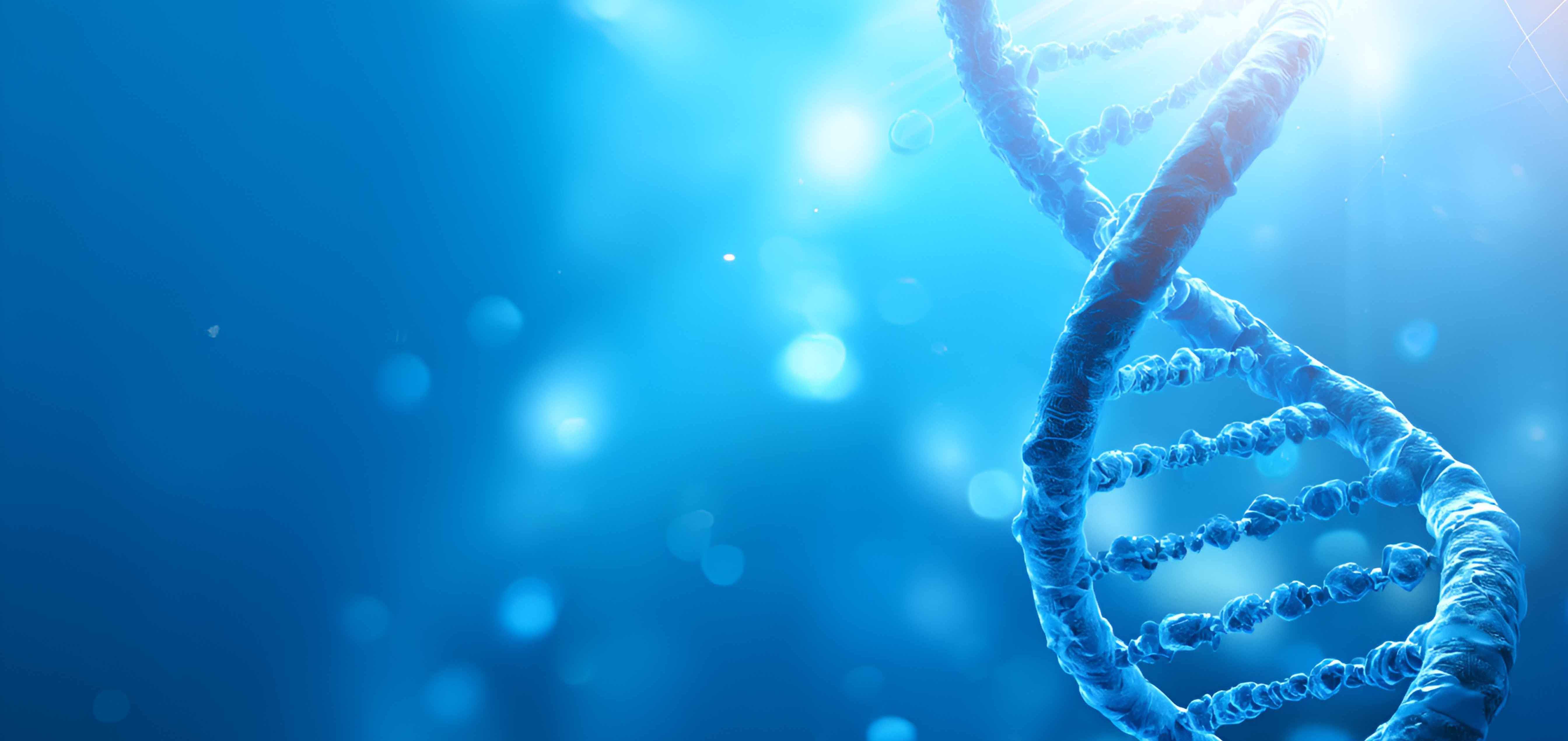
DNA,RNA,and protein synthesis represents the central dogma of molecular biology, describing the unidirectional flow of genetic information: DNA → RNA → protein. DNA (deoxyribonucleic acid) functions as the stable, long-term repository of genetic instructions. Its iconic double-helix structure, deoxyribose sugar backbone, and use of thymine (instead of uracil) confer exceptional chemical stability and resistance to degradation. In contrast, RNA (ribonucleic acid) is typically single-stranded, incorporates ribose sugar (with an additional 2′-hydroxyl group), and substitutes uracil for thymine, rendering it more chemically labile and ideally suited for transient, versatile roles within the cell.
Protein synthesis itself is the culmination of this pathway, where the genetic code embedded in RNA is decoded by ribosomes to assemble linear chains of amino acids (polypeptides). These polypeptides fold into functional proteins that perform essential tasks—catalyzing biochemical reactions as enzymes, providing structural support, regulating gene expression, and facilitating intercellular communication.
The preparatory phase relies heavily on DNA and RNA synthesis. This encompasses semi-conservative DNA replication during cell division to ensure faithful inheritance of genetic material, as well as the RNA synthesis from a DNA template (transcription) of selected DNA segments into various RNA molecules. The pivotal process—transcription—is catalyzed by RNA polymerase enzymes. These bind to promoter sequences, locally unwind the DNA double helix, and synthesize a complementary RNA strand in the 5′→3′ direction using ribonucleoside triphosphates. The resulting transcription produces an accurate RNA copy of the genetic message without modifying the original DNA archive. In eukaryotic cells, the primary transcript (pre-mRNA) undergoes extensive post-transcriptional processing—including 5′ capping, 3′ polyadenylation, and intron splicing—before nuclear export and translation in the cytoplasm. High-fidelity DNA and RNA synthesis is therefore critical to minimizing errors that could lead to deleterious mutations, oncogenic changes, or genetic disorders, thereby ensuring reproducible and trustworthy outcomes in both academic research and industrial-scale biomanufacturing.
Differences in DNA RNA and Protein Synthesis
Within the framework of DNA RNA and protein synthesis, DNA and RNA exhibit striking structural and functional contrasts that reflect their specialized roles. DNA's double-stranded helical architecture, combined with highly processive and proofreading DNA polymerases (error rate approximately 1 in 10⁹ base pairs after correction), makes it exceptionally stable and reliable for permanent genomic storage across cell divisions and generations.
RNA, by comparison, is predominantly single-stranded and more prone to hydrolysis due to its 2′-hydroxyl group, which limits its longevity but enables conformational flexibility essential for diverse functions: messenger RNA (mRNA) carries coding sequences, transfer RNA (tRNA) shuttles amino acids during translation, ribosomal RNA (rRNA) forms the catalytic core of ribosomes, and certain non-coding RNAs regulate gene expression or perform enzymatic roles (ribozymes).
The transcription step—transcription—differs fundamentally from DNA replication. While DNA replication occurs mainly during the S-phase with near-perfect fidelity, RNA transcription produces multiple RNA classes under complex, condition-specific regulation involving transcription factors, enhancers, silencers, and epigenetic modifications. RNA polymerases operate with lower fidelity (error rate ~1 in 10⁴–10⁵), which can be biologically advantageous, as seen in somatic hypermutation for antibody diversity or rapid viral adaptation. In response to environmental stress, cells can quickly increase synthesis of protective mRNAs without altering the underlying DNA sequence. These differences allow RNA-based mechanisms to provide fast, adaptive responses, while DNA safeguards long-term genomic stability—considerations that are vital when B2B partners design stable lentiviral vectors for durable gene delivery or transient mRNA systems for minimized immunogenicity and off-target effects.
DNA RNA and Protein Synthesis in Biotechnology
DNA RNA and protein synthesis forms the technological backbone of contemporary biotechnology. High-throughput transcription drives large-scale in vitro transcription for next-generation mRNA vaccines (e.g., COVID-19 platforms) and gene-editing therapies. Similarly, transcription underpins RNA interference (RNAi) drugs, antisense oligonucleotides, RNA aptamers, and circular RNAs for advanced therapeutic modalities. All of these rely on premium DNA and RNA synthesis services that deliver exceptional sequence accuracy, batch-to-batch consistency, purity, and scalability to satisfy stringent regulatory requirements (GMP-grade, ICH guidelines).
Outside clinical applications, these principles enable synthetic biology innovations such as engineering microorganisms for sustainable biofuel production, optimizing industrial enzymes for green chemistry, and developing climate-resilient crop varieties through precise gene expression control. DNA's robustness supports long-term genetic integration strategies, whereas RNA's transient nature favors reversible, low-risk expression systems. Ongoing integration of automation, artificial intelligence-driven sequence optimization, and next-generation sequencing further lowers costs, improves turnaround times, and enhances customization—key advantages for collaborative B2B projects.
DNA ensures faithful, long-term storage of genetic information, while RNA facilitates dynamic, context-responsive expression, together enabling efficient and regulated protein production in DNA RNA and protein synthesis. By leveraging expert DNA and RNA synthesis, transcription capabilities, organizations can accelerate innovation with greater confidence and efficiency. At Tsingke, we are dedicated to empowering your success with premium, customizable synthesis solutions that transform molecular insights into impactful real-world advancements.